How Crema Built Temtem: A Multiplayer Creature Game That Doesn't Collapse Under Its Own Weight
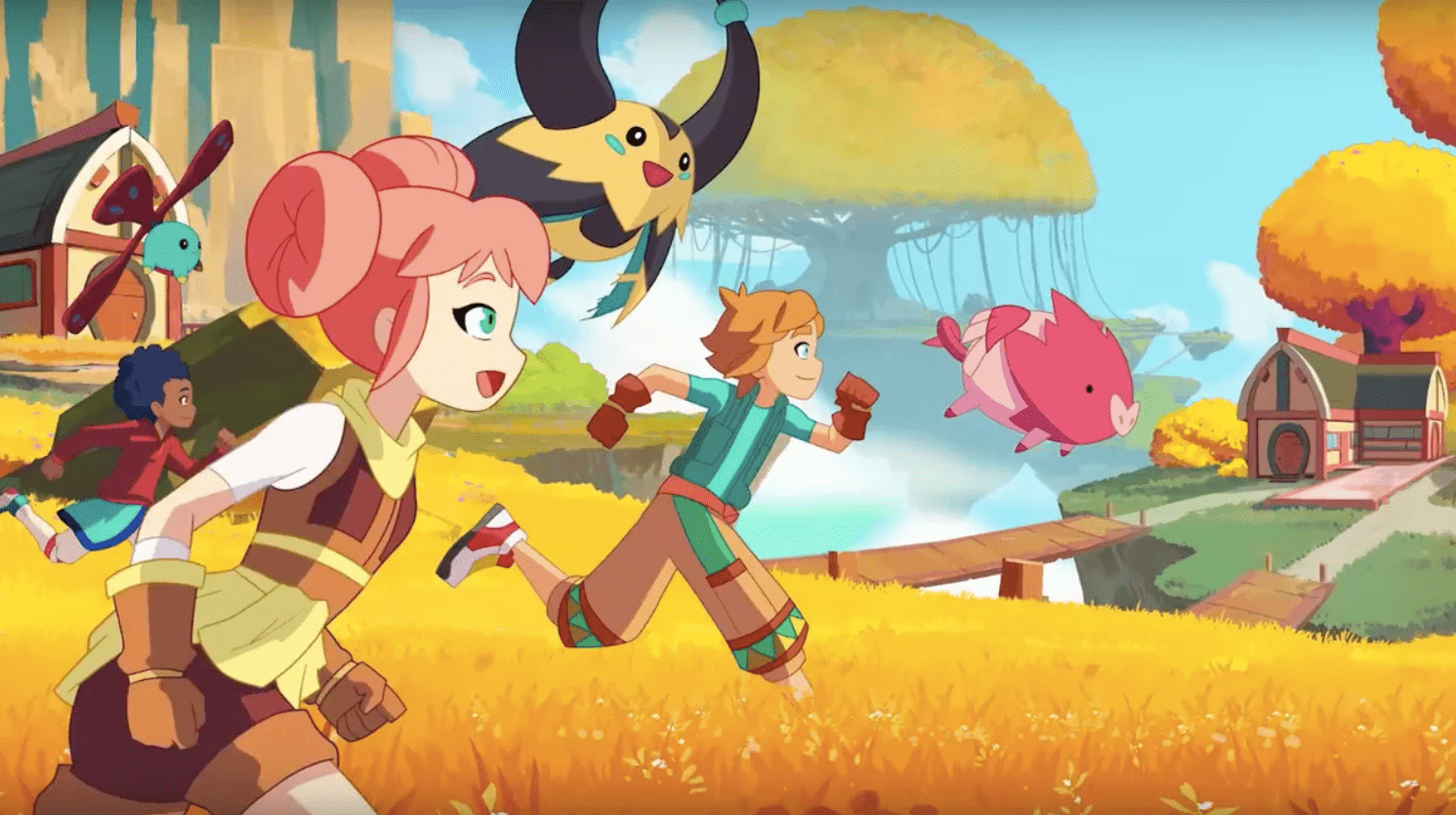
Crema, the studio behind Temtem, recently talked about what it actually takes to build a multiplayer creature game. In an interview with 80 Level, they walked through the technical and creative problems that come up when you're trying to blend creature collection, survival crafting, and real-time combat all at once, while keeping solo players happy and the servers from melting. Temtem sits in an awkward spot between two types of games: the cozy, story-driven creature collectors people know, and the brutal technical reality of real-time multiplayer. That tension forces every decision. What gets rendered where. How the server handles five players hitting the same trainer at the same moment. Whether animations stay smooth when latency hits. For game artists, this is where things get concrete. Your creature models and effects have to work under network stress in ways they never do in single-player work. A particle effect that sings at 60fps locally might stutter or feel dead when a server relay gets involved. Then you layer on survival and crafting. Networked gathering, shared resources, real-time crafting queues. All of it needs backend work and art assets that degrade without looking broken. Artists end up thinking about asset streaming, pop-in, and feedback systems that stay responsive even when the server's juggling dozens of players in one zone. The interview touches on these problems without going too deep into the mud, which is exactly where working artists should read the full piece to see how a real team solved them. If you're building multiplayer games or jumping into a multiplayer project, Crema's work is a reminder that scope and technical planning aren't boring backend stuff. They directly shape what you can actually build as an artist. Know your server tick rate, your streaming budget, your player density cap before you start iterating creature rigs. It saves you months of rework.